
BY Vikas Kanungo, May 03, 2025
Overview
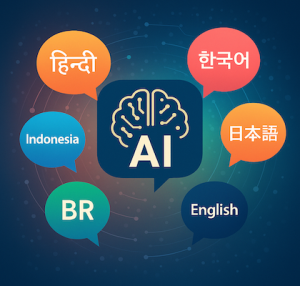
Spotify has introduced a groundbreaking AI-driven feature that enables real-time translation of podcasts into multiple languages, preserving the original speaker’s voice and style. This innovation aims to break language barriers, allowing global audiences to access content in their native tongues without losing the essence of the original delivery.
Key Developments
- Authentic Voice Preservation
The AI system replicates the original host’s voice in different languages using advanced voice synthesis and neural translation models, creating a seamless, localized experience for global listeners. - Initial Rollout Strategy
The feature is currently available for select podcast episodes from globally known creators such as Lex Fridman, Dax Shepard, Bill Simmons, and Steven Bartlett. It launched in Spanish first, with French and German versions planned for subsequent release cycles. - Global Reach and Access
This real-time translation feature is made available to both Free and Premium Spotify users, signaling Spotify’s commitment to democratizing audio content beyond linguistic boundaries. - Scalability Potential
The integration of generative voice AI into content delivery paves the way for future expansion across other media formats, including audiobooks, education, and entertainment.
🧑💼 Author’s Perspective: Vikas Kanungo
Spotify’s leap into real-time, multilingual podcast delivery marks a pivotal moment in the evolution of voice AI. By preserving speaker identity and delivering content in the listener’s native language, the company is not just translating words—it is bridging cultures and reshaping content accessibility on a global scale. This aligns strongly with the broader vision of inclusive technology. Imagine rural users in India listening to global thought leaders in Hindi, or Tamil audiences engaging with health podcasts originally recorded in English—without intermediaries, without delay, and without distortion.
However, with such powerful capabilities comes a responsibility to ensure cultural sensitivity, linguistic nuance, and quality assurance. The success of this initiative will depend on continuous feedback from native speakers, transparent model training, and clear accountability.